

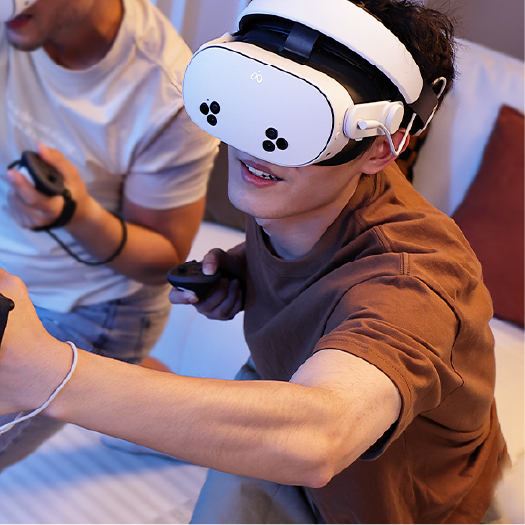




When analyzing the hardware updates of the Meta Quest 3 and Quest 3S, the discussion frequently centers on visual clarity. The integration of pancake lenses and higher-resolution displays significantly improved the clarity of virtual environments. However, spatial audio remains a substantial factor in establishing a realistic sense of presence within virtual reality.
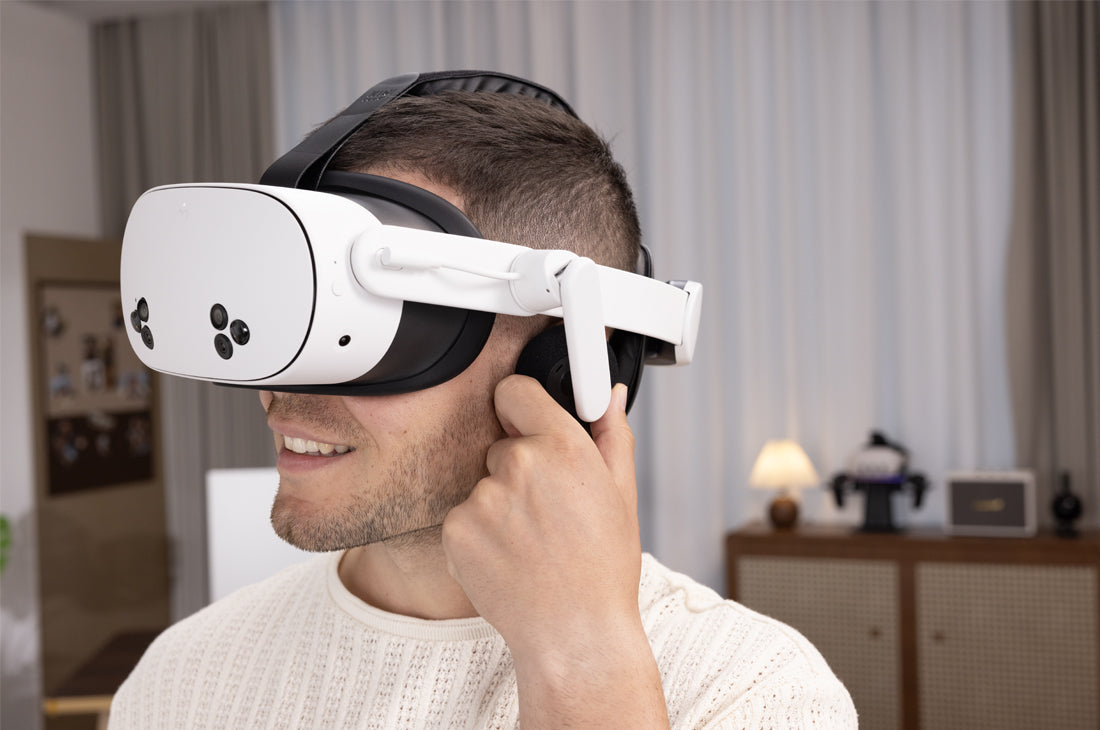
By default, the Quest 3 utilizes open-ear speakers built into the lateral arms of the stock strap. While highly convenient for casual use, this open-air design presents specific acoustic limitations. For users seeking to improve their audio experience, upgrading to a dedicated Meta Quest 3 audio strap featuring integrated over-ear earcups offers a practical solution. Below is a technical breakdown of how integrated earcups compare to stock open-ear speakers regarding acoustics, physics, and ergonomics.
The Physics of VR Sound: Low-Frequency Rolloff in Open-Ear Designs
To understand the acoustic differences, it is necessary to examine how sound waves propagate from the headset. The built-in speakers on the Meta Quest 3 sit several centimeters away from the ear canal, directing audio downward through small ports. This architecture creates an open-air acoustic environment.
Without a physical seal around the ear, sound waves disperse quickly into the surrounding room. This dissipation impacts lower frequencies (bass) more noticeably than mids or highs. Lower frequencies require an enclosed volume of air to generate sufficient acoustic pressure against the tympanic membrane (eardrum). Consequently, open-air setups experience an early bass rolloff, which can reduce the impact of low-frequency audio effects and cinematic soundtracks.
Furthermore, VR positional audio relies on Head-Related Transfer Functions (HRTF)—the mathematical algorithms used to simulate three-dimensional sound direction. When ambient room noise mixes with the dispersing open-air audio, the brain's ability to interpret these subtle directional cues can be compromised. In competitive multiplayer or simulation titles, this acoustic interference can affect situational awareness.
Integrated Over-Ear Earcups: Improving Acoustic Isolation
An audio strap utilizing integrated earcups establishes a localized acoustic environment. By covering the ear, the design introduces several distinct mechanical advantages:
- Passive Noise Dampening: High-density foam earcups help mitigate external environmental sounds—such as PC cooling fans or air conditioning—allowing for clearer perception of low-decibel in-game audio.
- Acoustic Pressure Retention: The physical barrier encloses the chamber, directing low-frequency sound waves toward the ear canal and minimizing bass dissipation.
- Reduced Audio Leakage: Open-ear speakers naturally broadcast audio outward, making it audible to others nearby. Integrated earcups retain the sound within the earcup assembly, increasing privacy.
Technical Comparison: Stock Audio vs. Integrated Audio Straps
The table below compares the standard Meta Quest 3 acoustic framework with an integrated audio strap upgrade across core performance metrics:
| Acoustic Metric | Stock Meta Quest 3 Open-Ear | Integrated Over-Ear Upgrade |
|---|---|---|
| Low-Frequency (Bass) Response | Noticeable rolloff; lower sub-bass frequencies are less pronounced. | Extended frequency response; more consistent low-end bass delivery. |
| Spatial Tracking Clarity | Moderate; directional cues can be masked by external room noise. | Consistent; reduction of external masking allows clearer tracking of coordinates. |
| Ambient Noise Isolation | Minimal; background noise remains fully audible. | Passive dampening; reduces intrusion of external environmental sounds. |
| Audio Privacy | Low; sound is easily heard by individuals in the immediate vicinity. | High; structural containment prevents significant sound leakage. |
Addressing Ergonomics: The KIWI design K4 Duo Approach
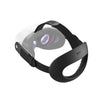
While improving audio quality is straightforward, adding physical headphone components to a VR headset requires careful weight management. Suspending independent audio gear from a standard soft strap can alter the center of gravity, increasing downward pressure on the face and cheekbones.
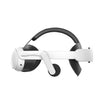
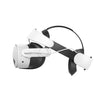
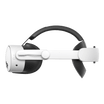
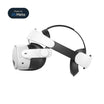
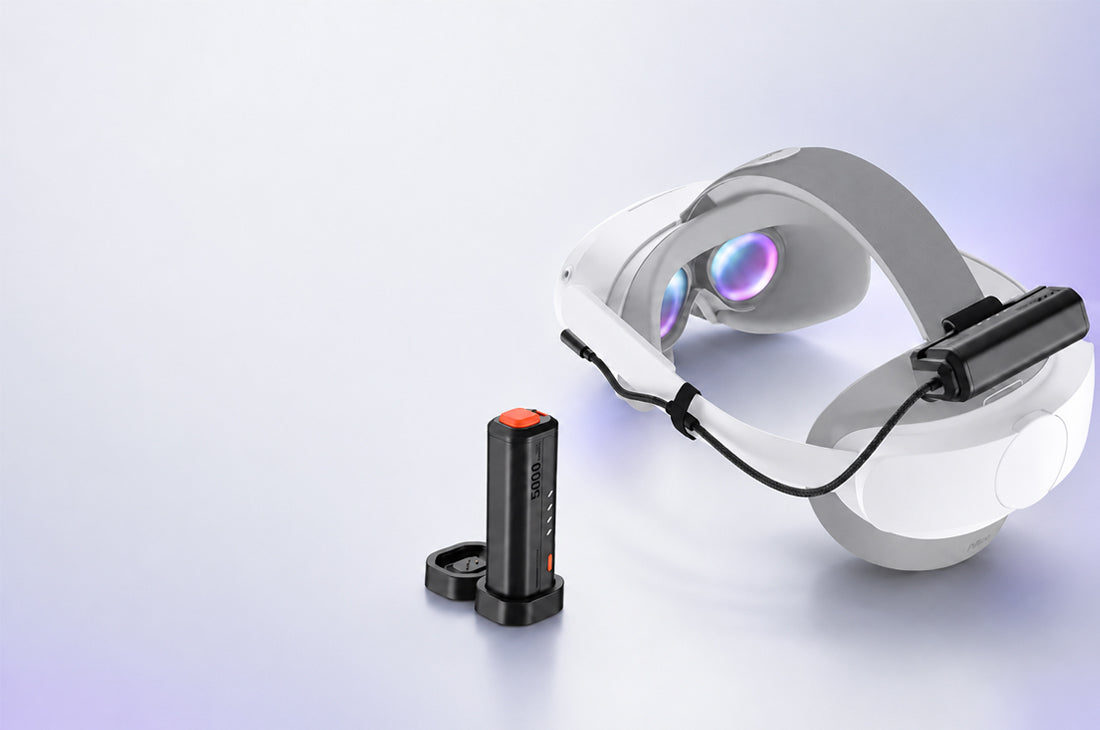
The design of the KIWI design K4 Duo AIO Audio Head Strap with Battery addresses this by integrating the acoustic components into a broader mechanical counterweight system. Rather than treating audio as an isolated modification, it considers the physical balance of the entire headset assembly.
1. Weight Distribution (459g Balance Module)
The K4 Duo redistributes mass away from the front of the face. Featuring a rear module weight of 459 grams, the strap counterbalances the front-heavy optics and display housing of the Quest 3/3S. Adjusting the center of gravity over the crown of the head helps mitigate pressure on the nasal bridge and cheekbones, facilitating longer periods of comfortable use.
2. Power Infrastructure: 45W DualFast Charging Architecture
Operating integrated audio drivers alongside extended VR use increases overall power consumption. The K4 Duo includes an integrated 20.4 Wh battery pack, designed to provide an estimated 2 to 2.5 hours of additional operating time. Operating on a 45W DualFast Charging architecture, the power system manages power delivery to both the headset and audio modules efficiently, maintaining appropriate charging speeds and thermal performance under load.
3. Mechanical Adjustability
Featuring a 52° adjustable hinge, the K4 Duo allows users to lift the headset display upward without adjusting the rear fitment dial or changing the alignment of the earcups relative to the ears. This provides a quick method to view the physical environment when needed.
Conclusion: Balancing the Sensory Profile
Visual fidelity provides the framework for virtual reality, but spatial audio accuracy helps complete the environment. Relying on stock open-ear speakers typically involves accepting trade-offs in tracking precision and bass response.
Transitioning to an integrated solution like the KIWI design K4 Duo allows users to manage weight distribution, secure extended power, and stabilize the acoustic environment, aligning the audio performance with the visual capabilities of the headset.


Leave a comment
All comments are moderated before being published.
This site is protected by hCaptcha and the hCaptcha Privacy Policy and Terms of Service apply.