

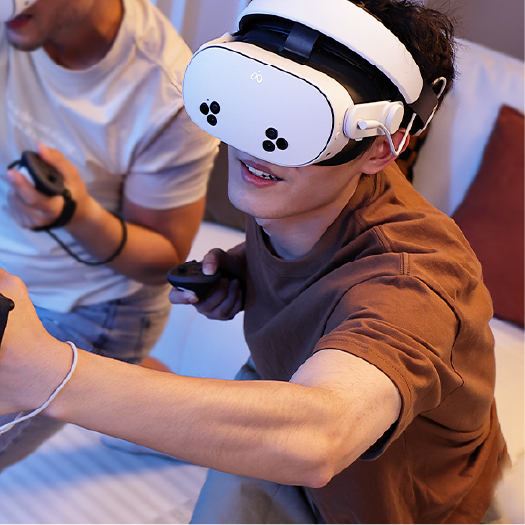

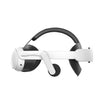
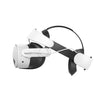

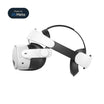




Headsets change. Platforms evolve. But good power should stay with you.
We need to talk about the drawer.
You know the one. It’s filled with old micro-USB cables, custom face pads for headsets you sold three years ago, and plastic straps that fit a Quest 1 but nothing else. In the VR world, "upgrading" usually means throwing everything away and starting from scratch.
As enthusiasts ourselves, we find this frustrating. When you spend hard-earned money on gear, it should feel like an investment, not a subscription that expires when the next headset launches.
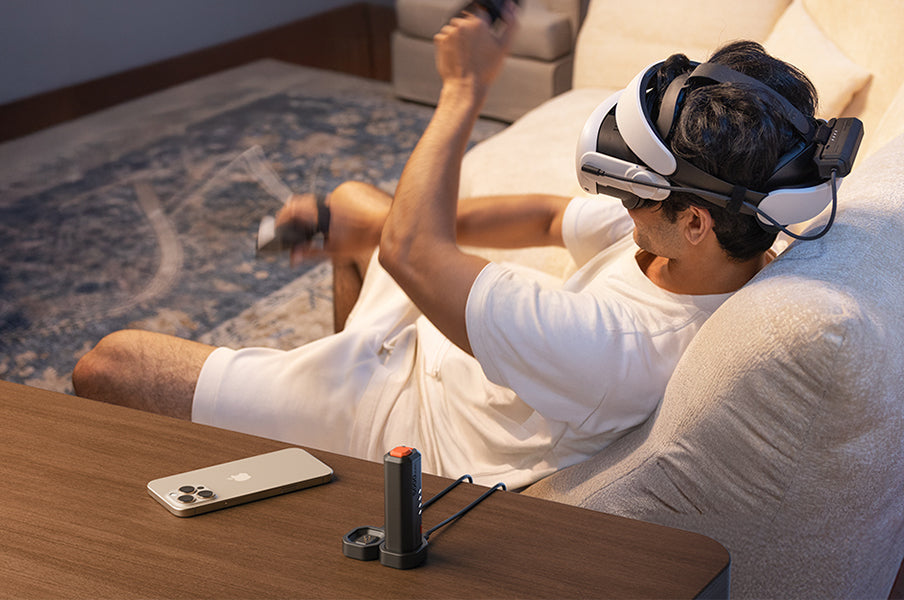
This line of thinking drove the development of the P5000 Compact Power Bank. We stopped asking "How do we make a battery for the Quest 3?" and started asking "How do we make a battery for the player?"
1. The "Second Life" of Your Quest 2
Let's be honest: The Meta Quest 2 is still a fantastic piece of hardware. Millions of people use it every day. But by 2026, the lithium-ion batteries inside early units are showing their age. Maybe you’re lucky to get 45 minutes of gameplay before the low-battery warning flashes.
Many users think their only option is to upgrade to a Quest 3. But what if you just want to pass the Quest 2 down to a sibling, or keep it as a fitness machine?
The Modular Approach:
Instead of buying a new proprietary battery strap for an older device, a universal power bank like the P5000 acts as a life-support system. Because it connects via a standard cable, it bypasses the degraded internal battery.
"It transforms a device that was collecting dust into a fully functional secondary headset for multiplayer sessions with friends."
2. Respecting the PICO 4 Design
If you are on Team PICO, you chose your headset for a reason: Balance. By putting the battery in the back, PICO solved the "front-heavy" problem right out of the box.
The mistake many accessory makers make is trying to slap more weight onto the head strap. Why ruin what PICO engineers spent years perfecting?
The "Compact" Advantage:
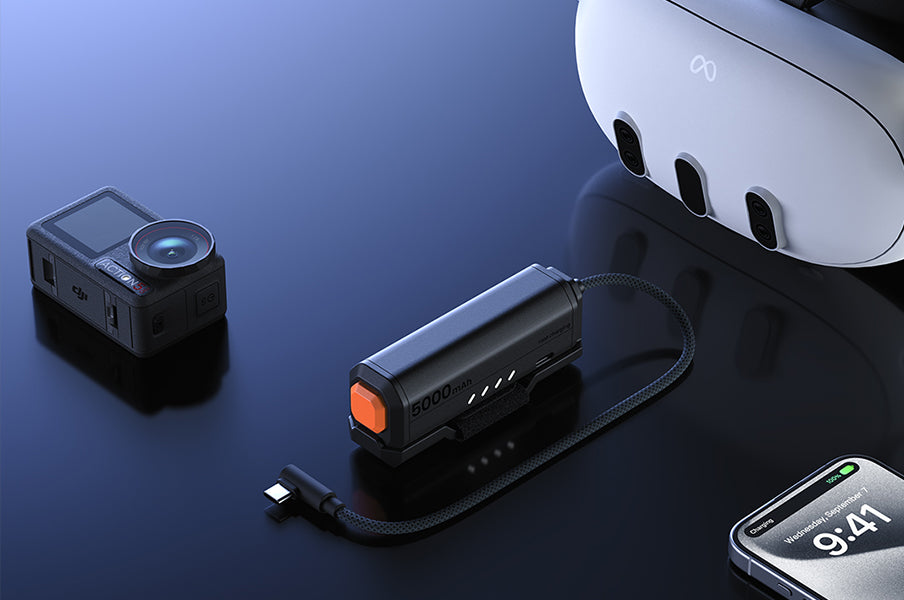
This is where the P5000 Compact Power Bank shines. It lives up to its name—small enough to slip into a pocket or clip onto an armband. You get the fast charging needed to keep high-res screens running, but your neck bears zero extra weight. It’s a cleaner, more respectful way to upgrade your PICO experience.
3. The Sony PSVR2 "Pit Stop"
We love the PSVR2. The OLED screens are gorgeous. But every PSVR2 owner knows the panic of seeing the "Controller Battery Low" notification right in the middle of a Resident Evil boss fight.
The Sense controllers are amazing, but their haptics drain power aggressively. And unlike the headset, they aren't wired to power.
The Living Room Solution:
You don't need to end your session. Because the P5000 is so compact, it fits unobtrusively on the sofa next to you. During a cutscene or a water break, simply plug the controllers into it for a rapid top-up. No running cables across the living room, no tripping hazards—just a smart, portable power station.
4. Ready for the "Next Big Thing"
Here is the reality of VR in 2026: We don't know what the next headset from Valve or HTC will look like. But we know one thing—it will use USB-C, and it will be power-hungry.
When you buy a proprietary battery strap, you are betting on one specific headset. When you buy a high-density, compact power bank, you are betting on yourself. Whether your next upgrade is a wireless PCVR adapter or a standalone headset from a new competitor, a pure power source never becomes obsolete.
Building Your Toolkit
At KIWI design, we want to sell you things that last. We want you to look at your gear in 2028 and still find it useful.
The P5000 isn't just a battery; it's a commitment to versatility. It’s one less thing that ends up in that junk drawer.

コメントを書く
全てのコメントは、掲載前にモデレートされます
このサイトはhCaptchaによって保護されており、hCaptchaプライバシーポリシーおよび利用規約が適用されます。